Paris, composed
Paris composes itself from interiors and angles of light. Behind discreet courtyard doors and along the slow curve of the Seine, the city arranges art, design, food, and music into something closer to a score than an itinerary: a former commodities exchange holding contemporary art beneath a glass dome, a jazz room glowing under a medieval street, an aristocratic mansion given over to a single painter, an afternoon that drifts from gallery to wine cave and back to the river.
Spaces & Culture
Bourse de Commerce — Pinault Collection. Tadao Ando set a smooth concrete cylinder inside the glass-domed rotunda of a nineteenth-century commodities exchange, creating one of Europe’s most arresting unions of old and new architecture. François Pinault’s contemporary collection rotates through the surrounding galleries, but the central drum — a room within a room, lit from the dome above — is the piece that stays with you.
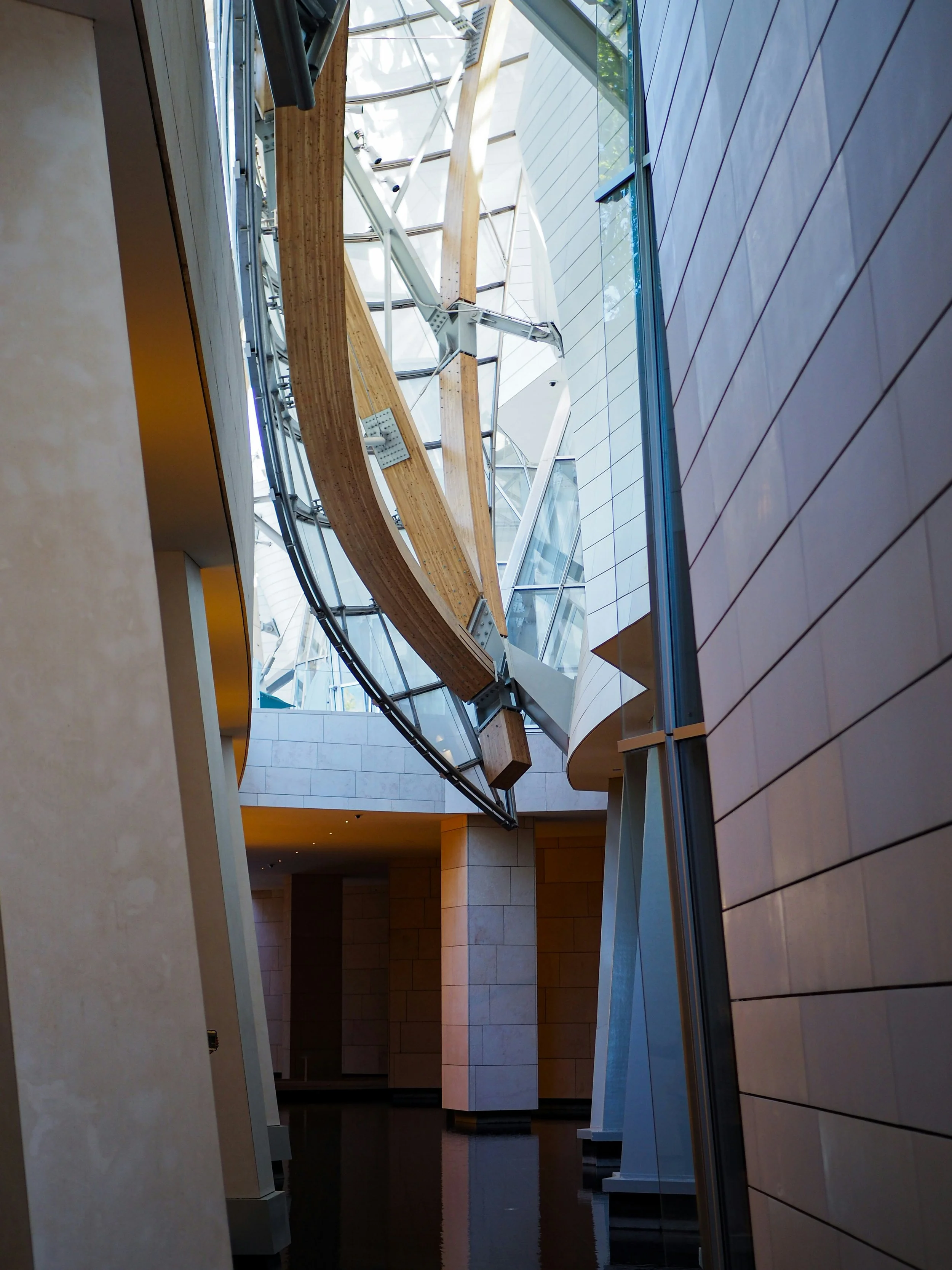
Fondation Louis Vuitton. Frank Gehry wrapped this art center in twelve billowing glass sails and moored it at the edge of the Bois de Boulogne like a ship of light. The exhibitions are ambitious and the collection deep, yet the building remains the headline act; climb to the upper terraces, where the canopies frame the rooftops and the city opens out below.
Musée Picasso. The seventeenth-century Hôtel Salé, one of the grandest mansions in the Marais, holds the largest collection of Picasso’s work anywhere. Scaled to a single artist and a single building, it lets you trace a lifetime of invention room by room, with the grand staircase, high windows, and quiet courtyards part of the experience.
Musée des Arts Décoratifs. Occupying the Marsan wing of the Louvre, the MAD gathers roughly a million objects of design, fashion, furniture, and craft across eight centuries. Period rooms give way to couture galleries and contemporary installations, tracing how ideas travel through the things people live with.
Duc des Lombards. One of Europe’s premier jazz rooms, intimate and serious, on a street that has been the heart of Paris jazz for decades. Two sets most nights and late free jams on weekends; book ahead and arrive early for the close tables near the stage.
Taste & Table
Le Sauvage. A small, confident room near Saint-Augustin where a young kitchen sends out a short, seasonal menu that feels distinctly of contemporary Paris — elevated, current, and built around well-sourced produce.
Arcane 17. A néo-bistrot in the Haut-Marais cooking Catalan and Basque plates over a wood fire, where French bistro meets Spanish taberna. Warm, smoky, and doubling as a bar; open Tuesday through Saturday.
Orson. In Saint-Germain, chef Esu Lee cooks over wood and charcoal, weaving Korean flavors through French technique. Fish, seafood, and aged cuts come off the fire with smoke and precision — creative, contemporary, and a fine first night in the city.
DRINK
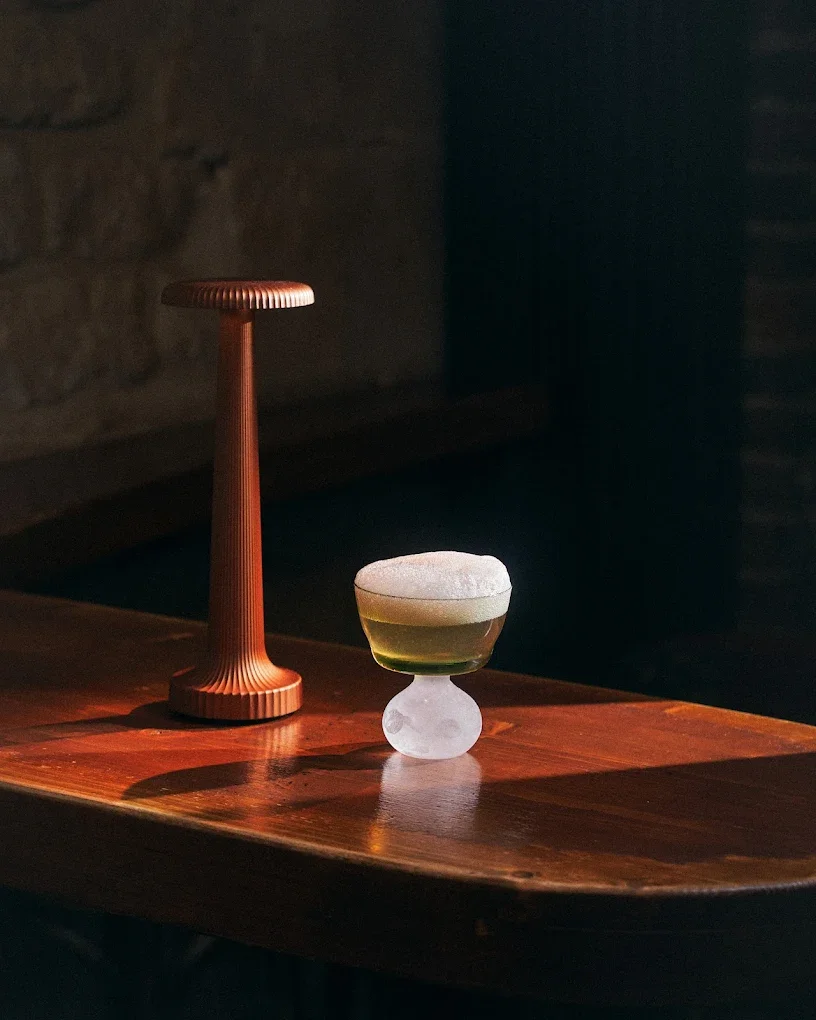
Little Red Door. Behind its signature crimson door in the Marais hides one of the world’s most celebrated cocktail bars, with menus built around art, perception, and ideas rather than spectacle. Sit, order from the concept list, and let the bartenders carry the evening.
Augustin, Marchand d’Vins. A small, glowing wine bar on the Left Bank with some nine hundred references — many natural, biodynamic, or from the Jura — poured at cave prices alongside well-sourced plates. A room built for discovery and lingering.
Paris through place
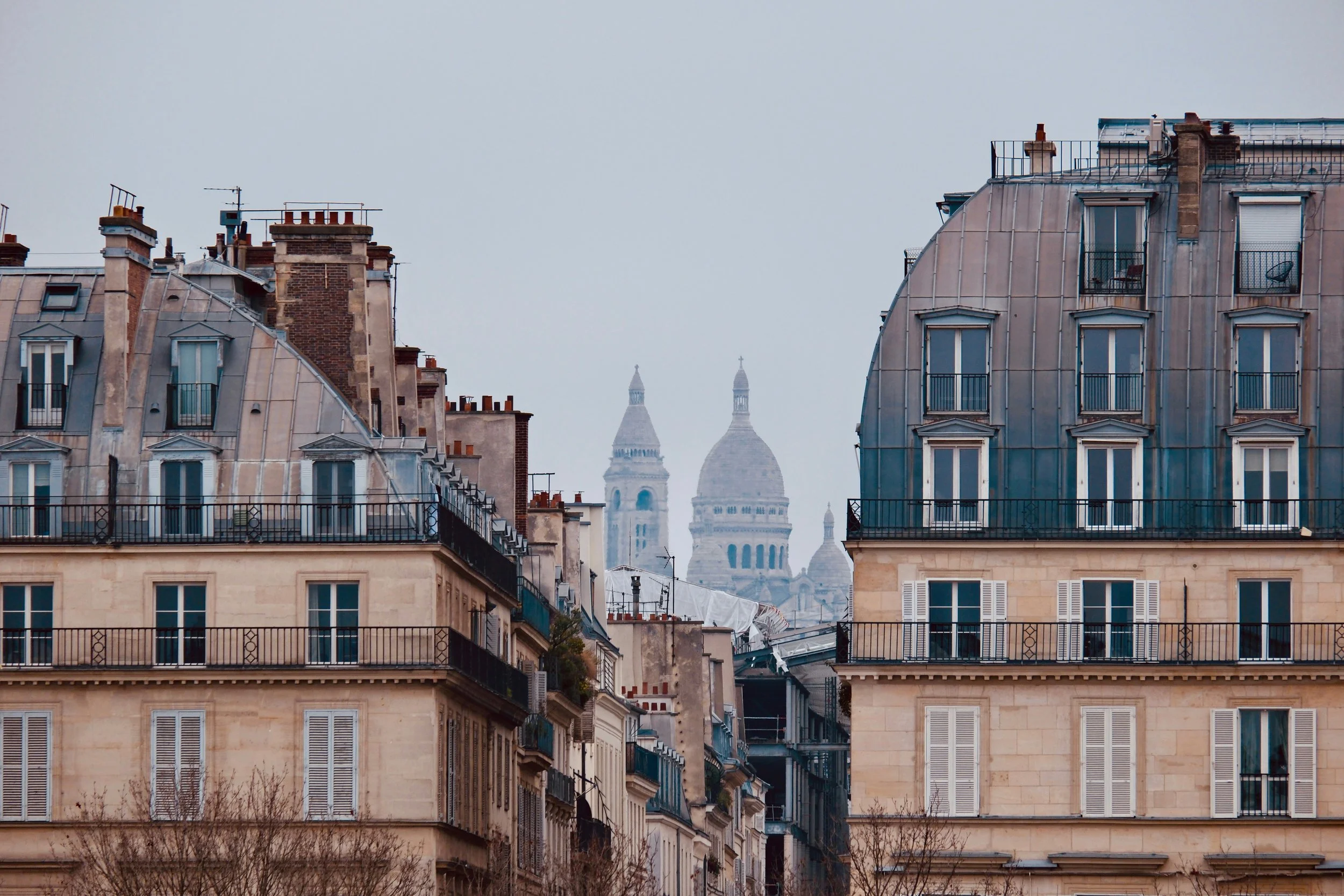
The river and the neighborhoods are the guide’s organizing principle — atmospheres to move through slowly, and to let shape the days around them.
The Seine. The line along which the whole city arranges itself. Walk a stretch of the quais and the light off the water keeps remaking the façades above; the bridges, the booksellers’ green boxes, and the slow barges become the rhythm of an afternoon.
The Left Bank. Bookshops, university halls, and artists’ cafés set the Left Bank to a slower tempo. This is the Paris of long reading and longer conversations, best discovered on foot with an open afternoon ahead.
Saint-Germain-des-Prés. The literary heart of the city, where mid-century writers and philosophers held court in cafés that still trade on their names. Come to sit, watch, and wander the side streets of galleries and small bookshops, letting the quarter set the pace.
Le Marais. Medieval lanes and aristocratic mansions stand alongside contemporary galleries, design boutiques, and some of the best small museums in Paris. Here old and new share a single street, and wandering pays off most.
Where to stay
-
![]()
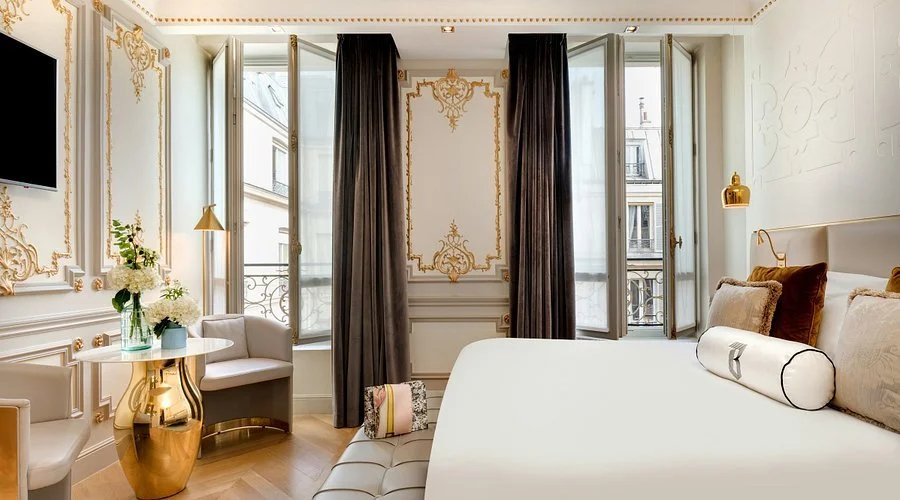
Hôtel Bowmann
-
![]()
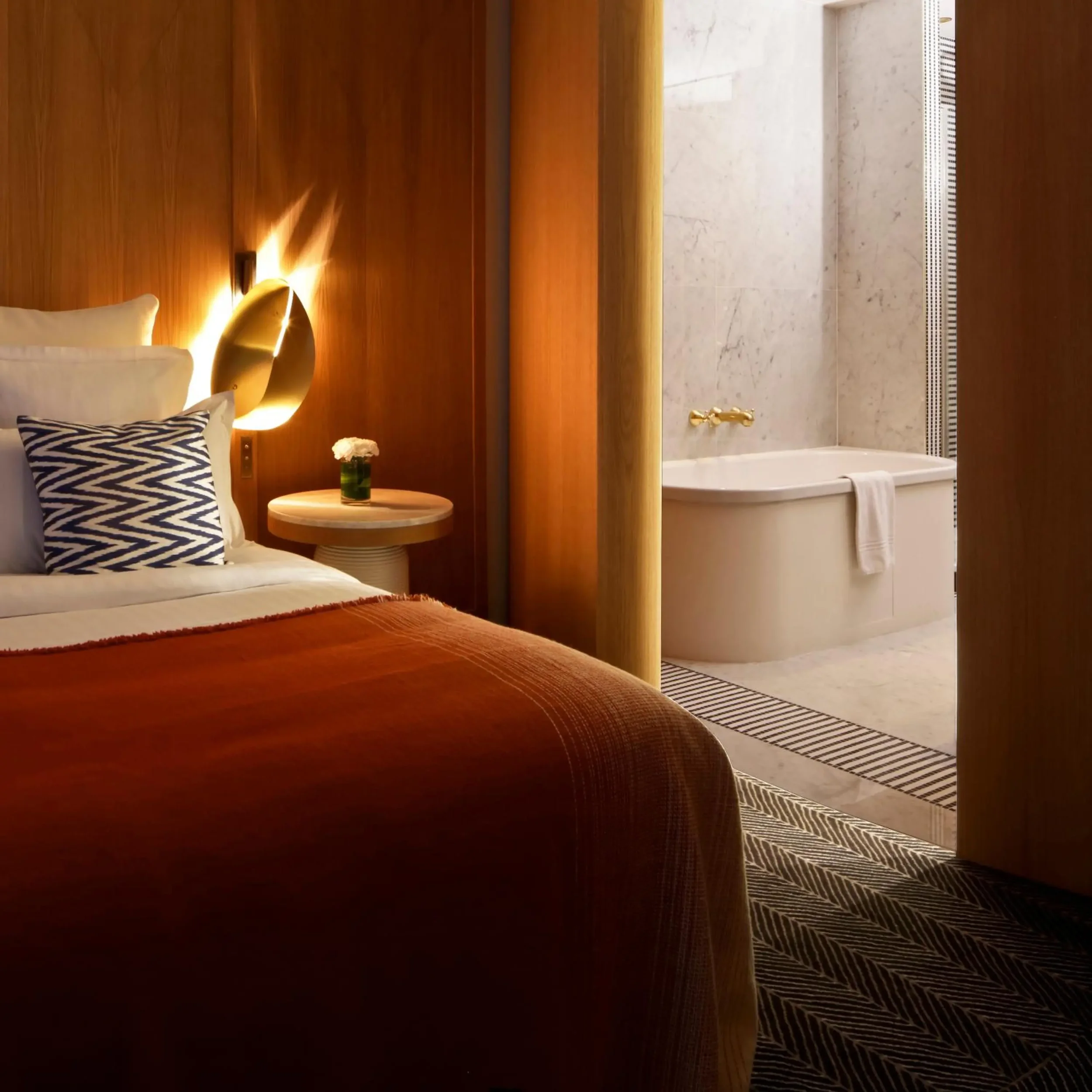
Hotel Vernet
-
![]()
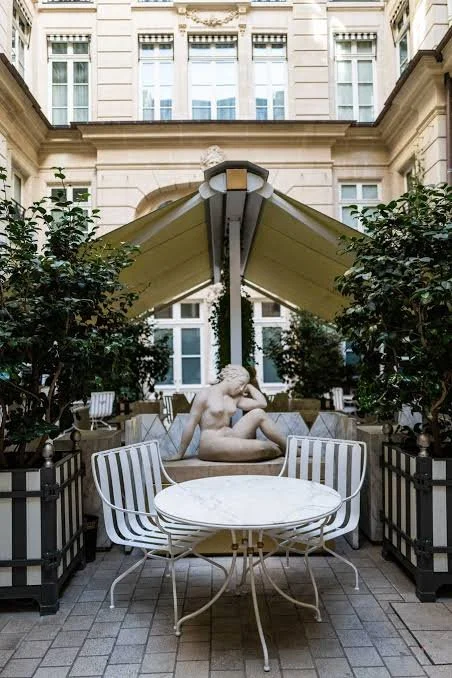
Hôtel de Crillon, a Rosewood Hotel
-
![]()
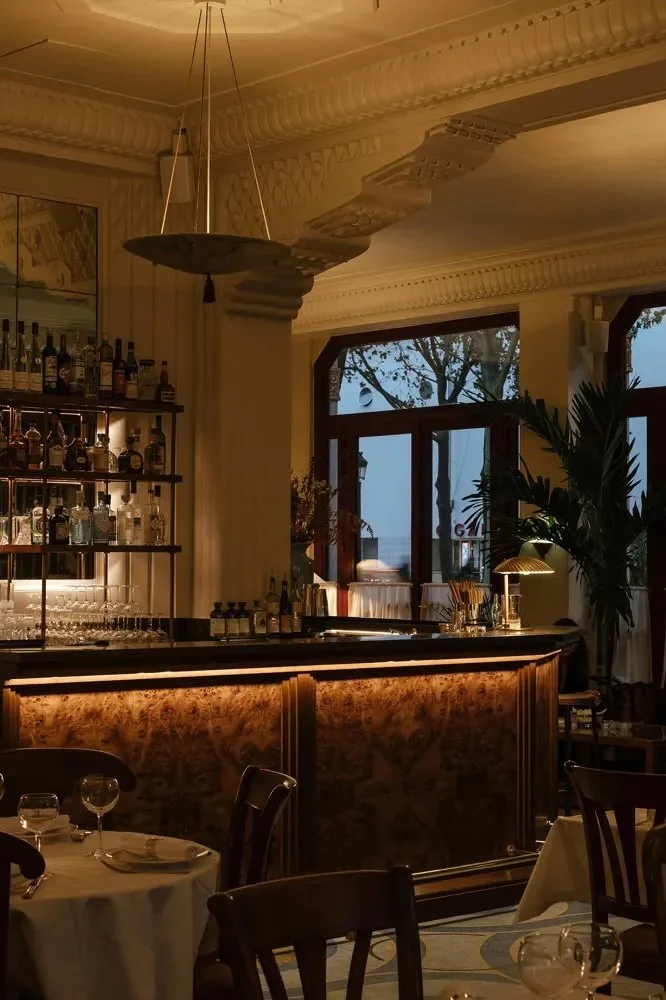
Hôtel Rochechouart